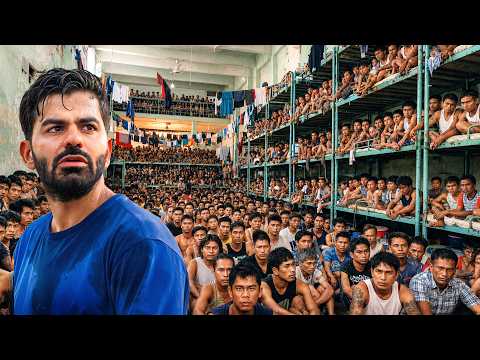
Vancouver is often celebrated for its natural beauty—lakes, sunlight, and a city-life that feels effortless from afar. Yet, as the video from Joe HaTTab shows, the city also has a hidden side. In Downtown Eastside, the film confronts a reality shaped by opioids and a deadly drug mixture that has left communities in distress.
Important note: The video is described as educational only. The article below reflects only what is presented in the source material, and aims to inform rather than sensationalise.
Vancouver in Focus: Beauty—and a Darker Reality
The video frames Vancouver as a place of contrasts. It highlights how the city can be “one of the most beautiful” in the world, while also pointing to a street-level crisis that many residents try to avoid. The message is clear: a city’s reputation doesn’t always reveal what happens within its most affected neighbourhoods.
What the Video Says About “Tranq” and Fentanyl
At the centre of the story is fentanyl, described in the video as the most dangerous illegal drug in Canada’s history. The video also explains that fentanyl is increasingly being mixed with xylazine, forming a substance referred to as “tranq”.
According to the transcript, “tranq” is described as a drug that can cause severe harm, including effects on the body’s functioning, skin deterioration, and reduced awareness. The film presents the consequences as urgent and often irreversible, with the impression that help may arrive too late.
Downtown Eastside: Firsthand Descriptions From the Streets
The video positions Downtown Eastside as an area where the drug situation is visible and ongoing. It describes residents, people affected by addiction, and dealers operating within the same public space. The transcript includes disturbing imagery and references to open wounds and physical collapse in broad daylight, emphasising the human cost of drug misuse.
It also highlights how drug access is framed as both easy and widespread. One element the video repeatedly returns to is the idea of extremely low pricing—described through a “five dollars” narrative—paired with the sense that the crisis persists despite regular police presence.
“Safe Supply” in Canada: What the Video Claims
A key part of the video is the discussion of policy approaches in Canada. The transcript explains that some Canadian cities have begun implementing a programme known as “safe supply”.
In the video’s description, safe supply provides controlled doses of opioids to people who are suffering from addiction, under strict medical supervision. The stated purpose is not to encourage drug use, but to save lives—particularly where individuals may be unable to simply quit using.
The video contrasts this with the idea that, even if harm is known, people may continue using drugs regardless of policy, so governments aim to reduce the worst outcomes.
How “Safe Supply” Is Framed
- Controlled doses rather than uncontrolled street supply
Harm Reduction Elsewhere: The Video’s Comparison
The transcript also includes a comparison with the United States, stating that the “safe supply” policy is described as not being legal there. Instead, it says the permitted approaches relate to harm reduction, such as providing clean needles or certain medications.
Community Disruption and Economic Strain
Beyond individual suffering, the video describes wider impacts on the neighbourhood. It mentions that some businesses have closed and relocated due to the crisis, while other places are said to profit from products connected to drug use. The video also references frequent break-ins and increasing security measures, including tight surveillance and camera coverage.
The effect, as shown in the transcript, is a cycle where the environment becomes harder for residents and shop owners to navigate—while vulnerable people remain exposed to ongoing risk.
Why This Matters to Travellers (and Everyone)
This is not a typical travel story about restaurants, hotels, or itineraries. Instead, it’s a reminder that destinations can carry realities tourists seldom see. The video suggests that many Vancouver residents try to avoid affected streets and nearby areas, and that even savings such as lower rent “doesn’t make a difference” when the situation is severe.
Getting Context Before You Go
If you’re planning a trip to Vancouver, the video’s message is less about avoiding the city entirely and more about understanding it. Knowing that Downtown Eastside has a unique and difficult context can help visitors approach the area with care, respect, and awareness.
Where the Video Points for Further Understanding
The transcript also touches on how supply chains and production may contribute to the crisis, describing ingredients as being produced in China and then processed through routes connected with Mexico and hidden labs. While you may wish to explore these claims through reputable public reporting, the video’s key takeaway remains human: drugs have the power to damage bodies, families, and whole communities.
Plan Your Vancouver Experience with Sensitivity
Vancouver can still be a remarkable place to visit. But based on the video’s account, it’s worth travelling with open eyes. Choose activities that match your comfort level, respect local residents, and consider learning about the city’s support services and public health approaches before you arrive.
Book Smarter with Sakina Tours
At Sakina Tours, we curate premium travel experiences designed to help you experience destinations thoughtfully. If you’d like a Vancouver itinerary that balances iconic sights with responsible planning, get in touch and we’ll help you shape a trip that feels meaningful, not just memorable.