Makkah

Travel to Makkah

Best time to visit November - February
Area 1,200 km²
Population 2.25 M
Language Arabic
Overview
The heart of spiritual travel

Makkah is unlike any other place on earth because it does not introduce itself gradually. The moment you see the Kaaba, everything else recedes. Yet the deeper experience begins after the first emotion settles. Sit within the Grand Mosque and observe the rhythm of tawaf — the flow of humanity circling in unity. Return during the quieter hours between Isha and Tahajjud, when the marble cools and devotion feels deeply personal. The sacred sanctuary becomes not just a place of movement, but a space of stillness.


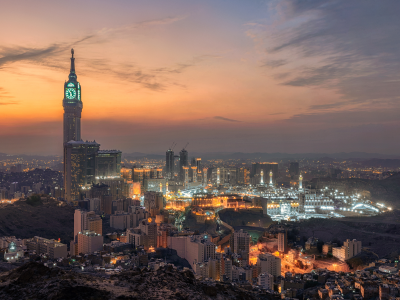
Above the Haram, Makkah offers intellectual elevation. The Makkah Clock Tower Museum explores Islamic astronomy, lunar calculation, and timekeeping sciences through immersive galleries. From its viewing platform, you witness how mountains cradle the sanctuary. Nearby, the Exhibition of the Two Holy Mosques Architecture reveals preserved doors, historic columns, and scaled models explaining how the Haram evolved over centuries. These spaces enrich worship with understanding.


The mountains surrounding Makkah hold revelation in their silence. Stand near Jabal al-Nur, where the Cave of Hira witnessed the first revelation. Continue toward Jabal Thawr, where migration history unfolded within stone refuge. These are not tourist climbs; they are landscapes of contemplation. Even approaching their base shifts perspective.


Beyond the central city lies the ritual geography of Hajj. Walk through Mina’s valley, stand in the vast plain of Arafat, and observe the open land of Muzdalifah outside pilgrimage season. Without the crowds, their scale becomes clearer, vast spaces designed for surrender and reflection.


Within older quarters, Makkah still carries everyday authenticity. Visit Jannat al-Mu’alla with humility. Explore modest local eateries beyond the large hotel complexes, where mandi, mutabbaq, and lentil soups are served to residents. Seek early morning tea stalls and late-night quiet corners where workers gather in simplicity.


And then return again to the Haram. Sit facing the Kaaba without agenda. Let intention settle. Makkah’s true luxury is proximity to meaning, a place where stone, sky, and supplication have aligned for centuries.


Attractions & Experiences:


  • Tawaf then prayer in Maqam Ibrahim

  • Makkah Clock Tower Museum

  • Viewing platform overlooking the Haram

  • Exhibition of the Two Holy Mosques Architecture

  • Jabal Thawr

  • Mina Valley exploration

  • Plain of Arafat

  • Muzdalifah open landscape

  • Jannat al-Mu’alla

  • Makkah Museum - Al-Zaher Palace

  • Hira Cultural District and the Holy Quran Museum

  • Jabal al-Nur - Cave of Hira 

Watch Live Stream

Must See Attractions

arrow
arrow
Hira Cultural District

Hira Cultural District

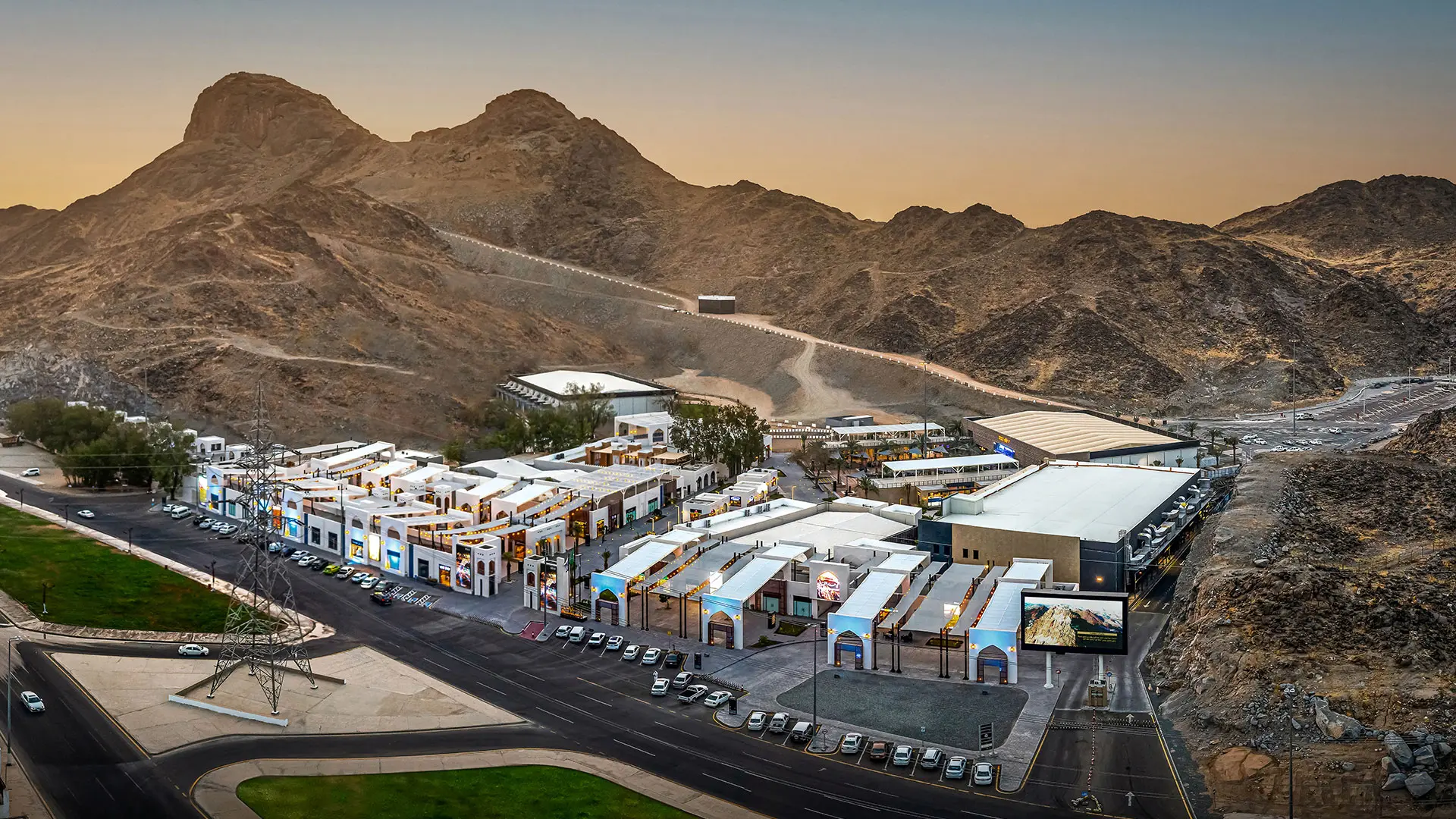
At the foot of Jabal al-Nour, where revelation once descended upon humanity, the Hira Cultural District stands as a bridge between sacred history and conscious reflection. This is not merely a visitor complex; it is an intellectual and spiritual gateway to the moment that changed the course of the world. Above it lies the Cave of Hira, where the first verses of the Qur’an were revealed to the Prophet Muhammad ﷺ. Below, thoughtfully designed spaces allow today’s traveler to prepare the heart before ascending the mountain of light. The district reintroduces visitors to the context of revelation. Through immersive exhibitions and historical storytelling, it reconstructs the spiritual solitude that defined the Prophet’s retreats before prophethood. One begins to understand that revelation did not descend into chaos, it descended into contemplation. The mountain, the silence, the darkness of the cave, and the vast Makkah valley beneath were all part of a divine setting that shaped the earliest moments of Islam. The power of Hira Cultural District lies in sequencing the experience. Instead of climbing impulsively, one arrives informed and spiritually grounded. The exhibitions contextualize the Qur’anic beginning; the architectural design respects modesty and flow; the environment is Muslim-conscious and family-appropriate. There are prayer areas, shaded walkways, and facilities that maintain dignity while serving pilgrims and seekers. Standing there, you feel proximity not only to a geographical landmark but to the origin of guidance itself. Makkah is the cradle of Tawheed, and here, at the base of the mountain overlooking Makkah, the story of “Iqra”; Read, is retold with reverence. It becomes more than history; it becomes personal. You leave not entertained, but awakened, reminded that transformation begins in solitude, and light descends upon prepared hearts.

Makkah Museum – Al-Zaher Palace

Makkah Museum – Al-Zaher Palace

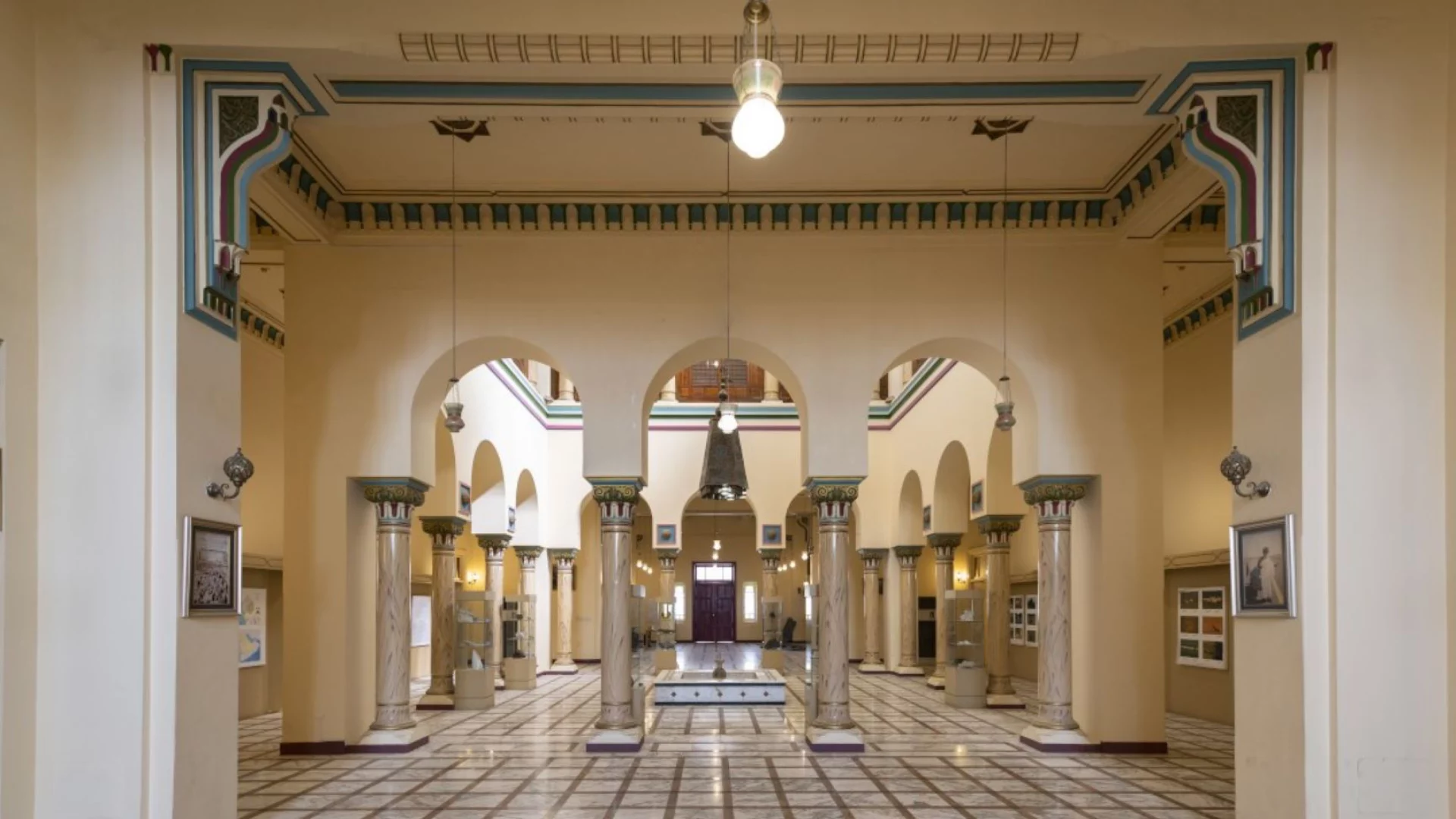
In a city where revelation reshaped humanity, the Makkah Museum – Al-Zaher Palace offers a different but equally profound lens into history. Originally built in the early 20th century as a royal residence commissioned by King Abdulaziz رحمه الله, Al-Zaher Palace stands as one of Makkah’s most distinguished architectural landmarks outside the Haram precinct. Its presence reflects a transitional era — when the sacred city moved from Ottoman administration into the modern Saudi state. The palace itself is significant. Constructed in 1365 AH (1946 CE) in a traditional Islamic architectural style blended with early modern influences, it was used to host visiting dignitaries and scholars. Today, transformed into the Makkah Museum, its halls preserve layers of civilizational memory. Walking through its arcades and high-ceilinged rooms, one senses the gravity of governance, scholarship, and custodianship of the Two Holy Mosques. Inside, the museum’s collections illuminate Makkah beyond pilgrimage rituals. Archaeological discoveries, ancient inscriptions, early Islamic coins, manuscripts, and rare photographs trace the evolution of the city from pre-Islamic settlement to global spiritual epicenter. Exhibits contextualize trade routes, tribal histories, and the transformation brought by Islam. This is where intellectual depth complements spiritual devotion, where one understands not only why Makkah is sacred, but how it has been preserved through centuries. What makes Al-Zaher Palace particularly powerful is its quiet dignity. It is family-friendly, respectful, and far removed from commercial distraction. After tawaf and prayer near the Kaaba, visiting this museum grounds the pilgrim in perspective. It reminds us that while Makkah is timeless in sanctity, it has also navigated political, social, and cultural transitions, always protected, always central. You leave with a broadened understanding of the city’s stewardship and a deeper appreciation for its layered identity.

Holy Qur’an Museum

Holy Qur’an Museum

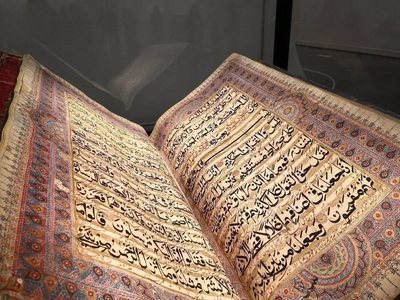
In a city where revelation first descended, the Holy Qur’an Museum offers a rare opportunity to encounter the Qur’an not only as recitation, but as preserved legacy. Located within close reach of the sacred heart of Makkah, this museum is dedicated to the documentation, preservation, and presentation of the Qur’an’s written history across centuries of Islamic civilization. The importance of this museum lies in its testimony to preservation. From early handwritten manuscripts dating back to the first centuries of Islam, to rare copies inscribed in diverse calligraphic styles, the exhibits trace how the Qur’an was carefully transmitted generation after generation. Visitors observe the evolution of Kufic script, illuminated manuscripts from different Islamic regions, and the artistry that surrounded the divine text, without ever altering its content. It becomes clear that while artistic expression varied, the words themselves remained unchanged, fulfilling the divine promise of protection. Beyond manuscripts, the museum often presents educational displays explaining the compilation of the Qur’an during the era of Caliph Uthman ibn Affan Radiya Allah Anhu, the science of Tajweed, and the meticulous methods scholars used to ensure textual accuracy. This is not merely historical education; it is reassurance. It strengthens conviction in the integrity of the Qur’anic text and deepens appreciation for the scholarship that safeguarded it. The atmosphere remains dignified and contemplative. Lighting is gentle. Exhibits are presented with reverence. Families move through quietly, children asking questions, adults reflecting on verses long memorized. After performing tawaf around the Kaaba, entering this museum feels like stepping into the written echo of that same revelation. You leave not simply informed, but anchored, reminded that the Qur’an you hold today is the same Qur’an first revealed in this very valley.

Clock Tower Museum

Clock Tower Museum

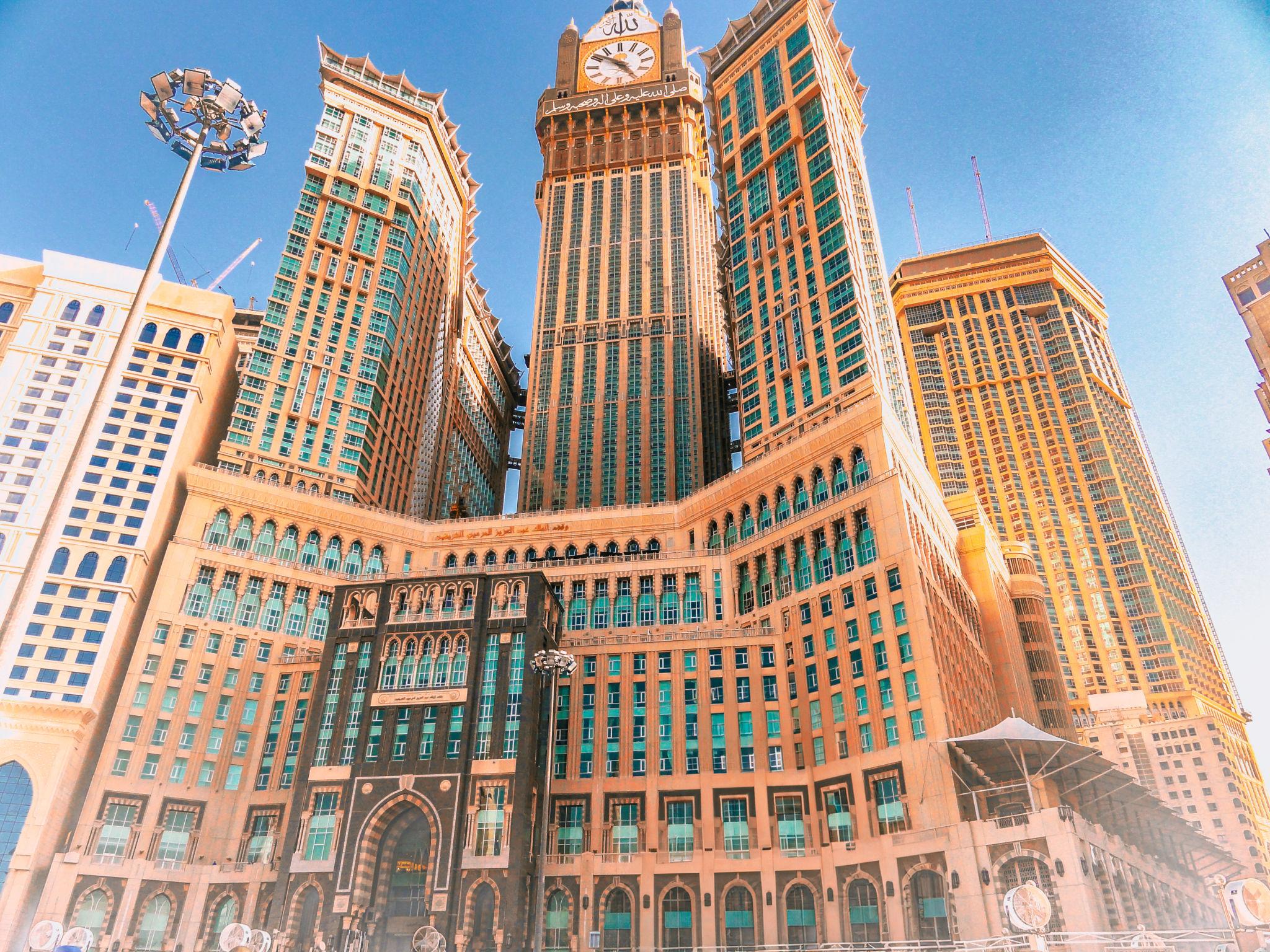
Rising above the sacred skyline of Makkah, the Makkah Clock Tower Museum is more than a high-altitude attraction, it is a contemplative encounter with time itself. Located within the iconic Abraj Al Bait Clock Tower, overlooking the Grand Mosque, this museum invites visitors to reflect on the relationship between faith, astronomy, and the measurement of time in Islamic civilization. The significance of this museum lies in its thematic depth. Islam is a faith structured around time, the five daily prayers, the lunar calendar, Ramadan, Hajj. Throughout history, Muslim scholars made remarkable contributions to astronomy and timekeeping in order to determine prayer times and the direction of the Qiblah. Inside the museum, immersive exhibits explore the cosmos, celestial navigation, the rotation of the Earth, and the scientific heritage of Islamic astronomers. It becomes clear that measuring time was never merely scientific, it was devotional. Ascending to the upper floors, the experience transforms. Large observation windows reveal a breathtaking panoramic view of the Kaaba from above. This perspective shifts the heart. From ground level, one feels immersed in the movement of pilgrims; from above, one witnesses the rhythm, tawaf flowing like a living clock around the Sacred House. Time, worship, and humanity intersect in one extraordinary visual meditation. The Makkah Clock Tower Museum offers a refined balance between knowledge and awe. The environment is organized, family-friendly, and respectful. It is not a spectacle detached from sanctity; it is an intellectual extension of it. You leave with a renewed awareness that in Makkah, time does not simply pass, it orbits. Around the Kaaba. Around prayer. Around remembrance.

King Abdulaziz Complex for the Holy Kaaba Kiswa

King Abdulaziz Complex for the Holy Kaaba Kiswa

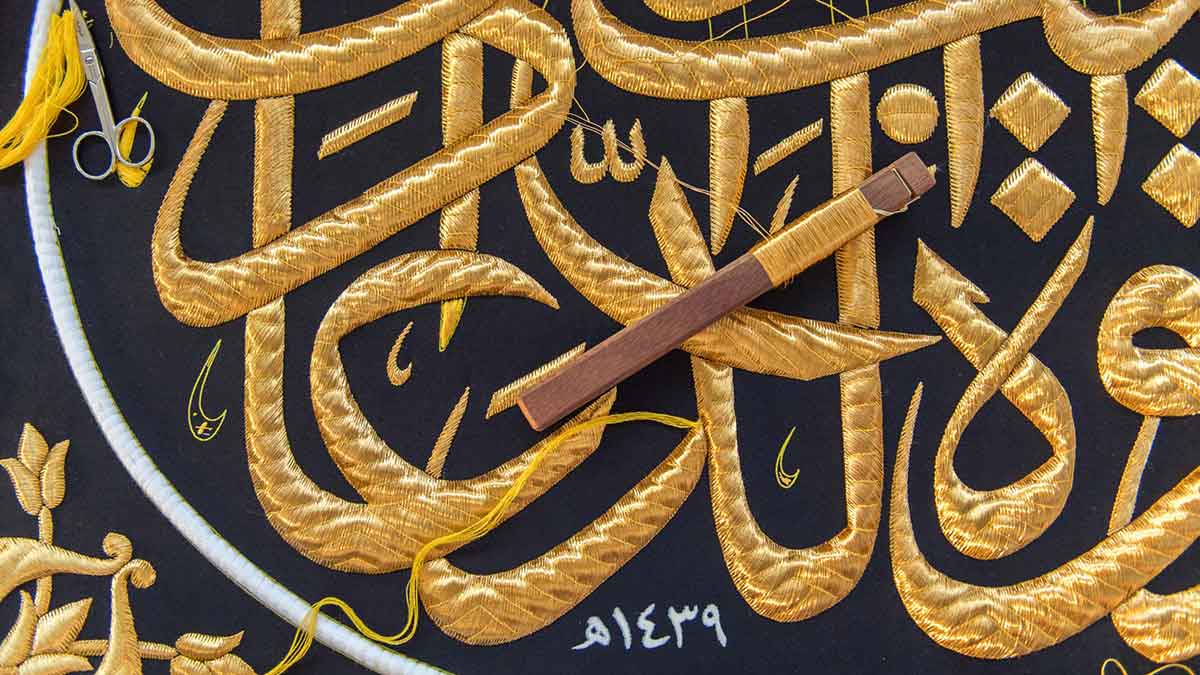
In this world, no textile is revered as profoundly as the Kiswa, not for its silk or embroidery, but for the honor of embracing the House of Allah. At the King Abdulaziz Complex for the Holy Kaaba Kiswa, this sacred covering is not merely manufactured; it is crafted with reverence. Located in Makkah, the complex continues a tradition that dates back centuries, when rulers and custodians of the Haram took responsibility for weaving and renewing the Kaaba’s garment annually. The importance of this complex lies in its guardianship of a living ritual. Each year, the Kiswa is replaced on the 9th of Dhul Hijjah, the Day of Arafah, in a ceremony that symbolizes renewal and honor. The process is meticulous. High-quality black silk is imported, dyed, woven, and embroidered with Qur’anic verses using threads plated with gold and silver. Skilled artisans, many trained for years, hand-stitch intricate calligraphy panels that require extraordinary precision. Every stitch carries sacred meaning; every thread is aligned with centuries of continuity. Walking through the complex, visitors witness the stages of production, from large mechanical looms weaving the silk to embroidery sections where craftsmen inscribe verses such as “Ya Allah” and “La ilaha illallah Muhammad Rasul Allah.” This is a rare behind the scenes glimpse into one of Islam’s most visible symbols. The Kaaba may appear still and timeless, but here you see the living effort required to preserve its dignity. Spiritually, the experience deepens the pilgrim’s relationship with tawaf. When one later stands before the Kaaba and gazes at the flowing black silk, it is no longer an abstract symbol, it is the result of devotion, craftsmanship, and collective service. The environment is modest, organized, and educational, making it suitable for families and seekers alike. You leave understanding that honoring the House of Allah is not only an act of worship in prayer, but also an act of excellence in service.

No one does it like our local experts

arrow
arrow
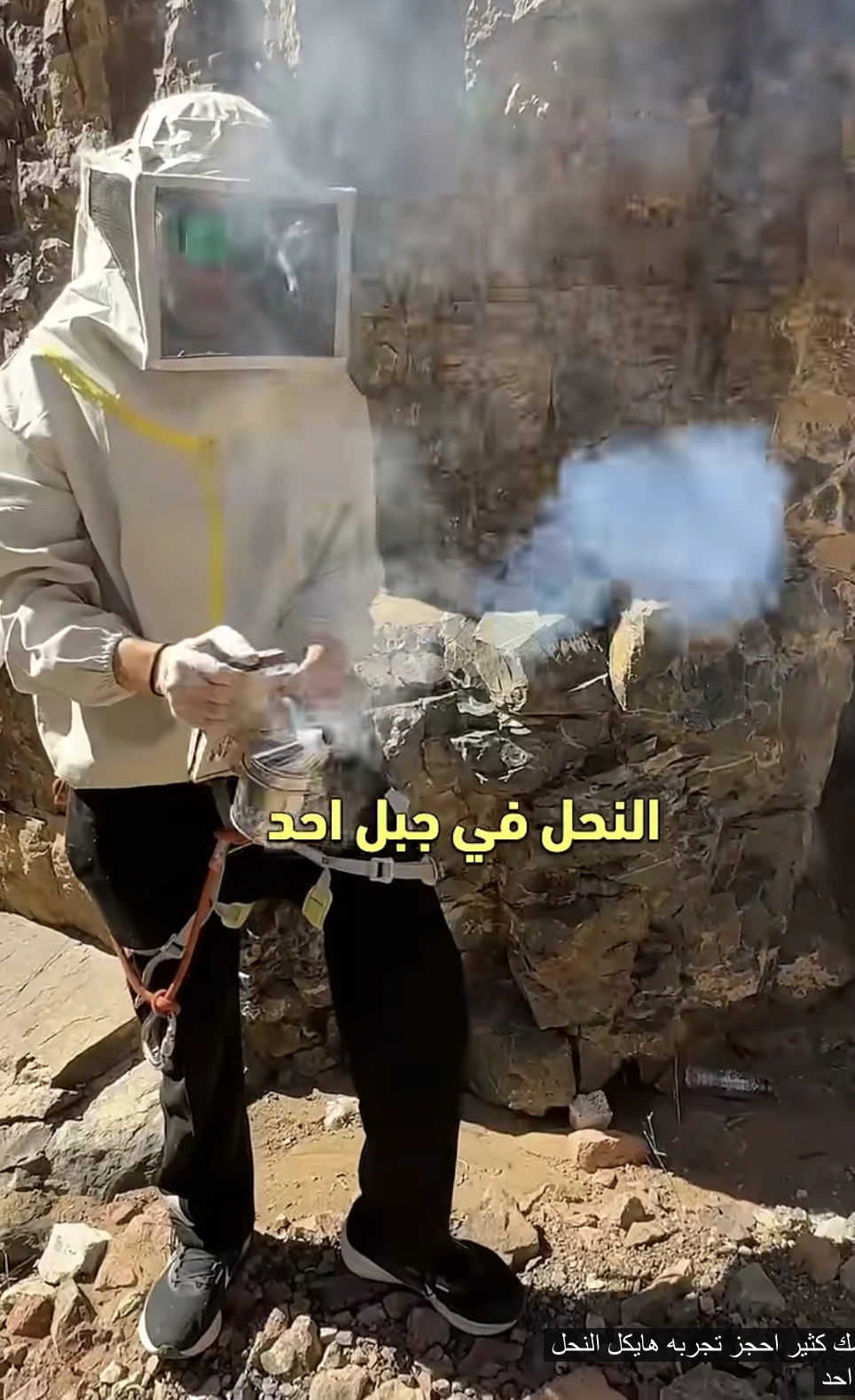
وسط الجبل، وقفنا قدّام خلية نحل حقيقية 🐝⛰️ تعلّمنا كيف كل نحلة لها دور وكيف النظام هذا يشتغل play
وسط الجبل، وقفنا قدّام خلية نحل حقيقية 🐝⛰️ تعلّمنا كيف كل نحلة لها دور وكيف النظام هذا يشتغل
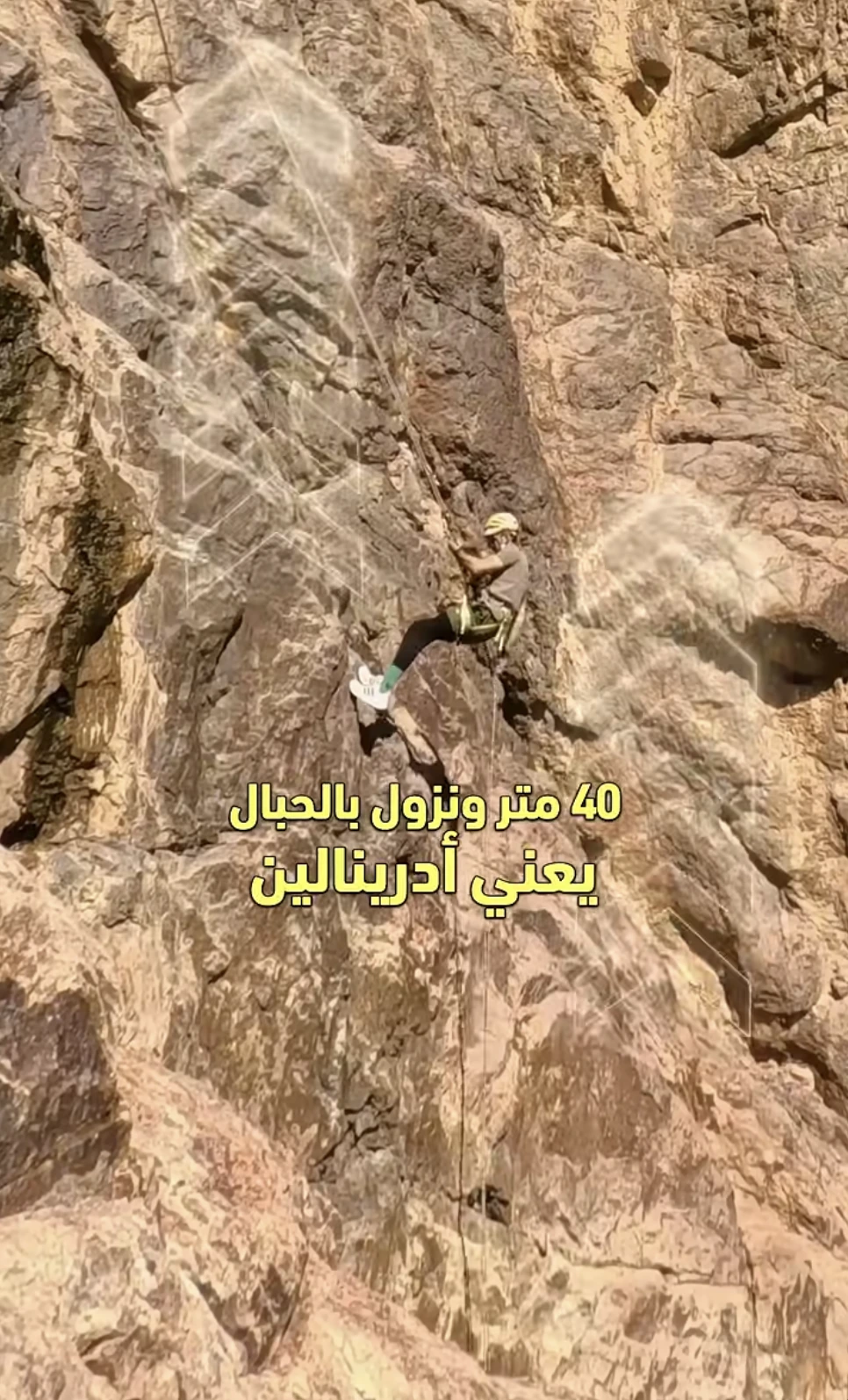
تجربة اليوم مو سهلة… 40 متر نزول بالحبال في جبل أُحد ⛰️ خوف بالبداية، وثقة وشعور إنجاز بالنهاية . play
تجربة اليوم مو سهلة… 40 متر نزول بالحبال في جبل أُحد ⛰️ خوف بالبداية، وثقة وشعور إنجاز بالنهاية .
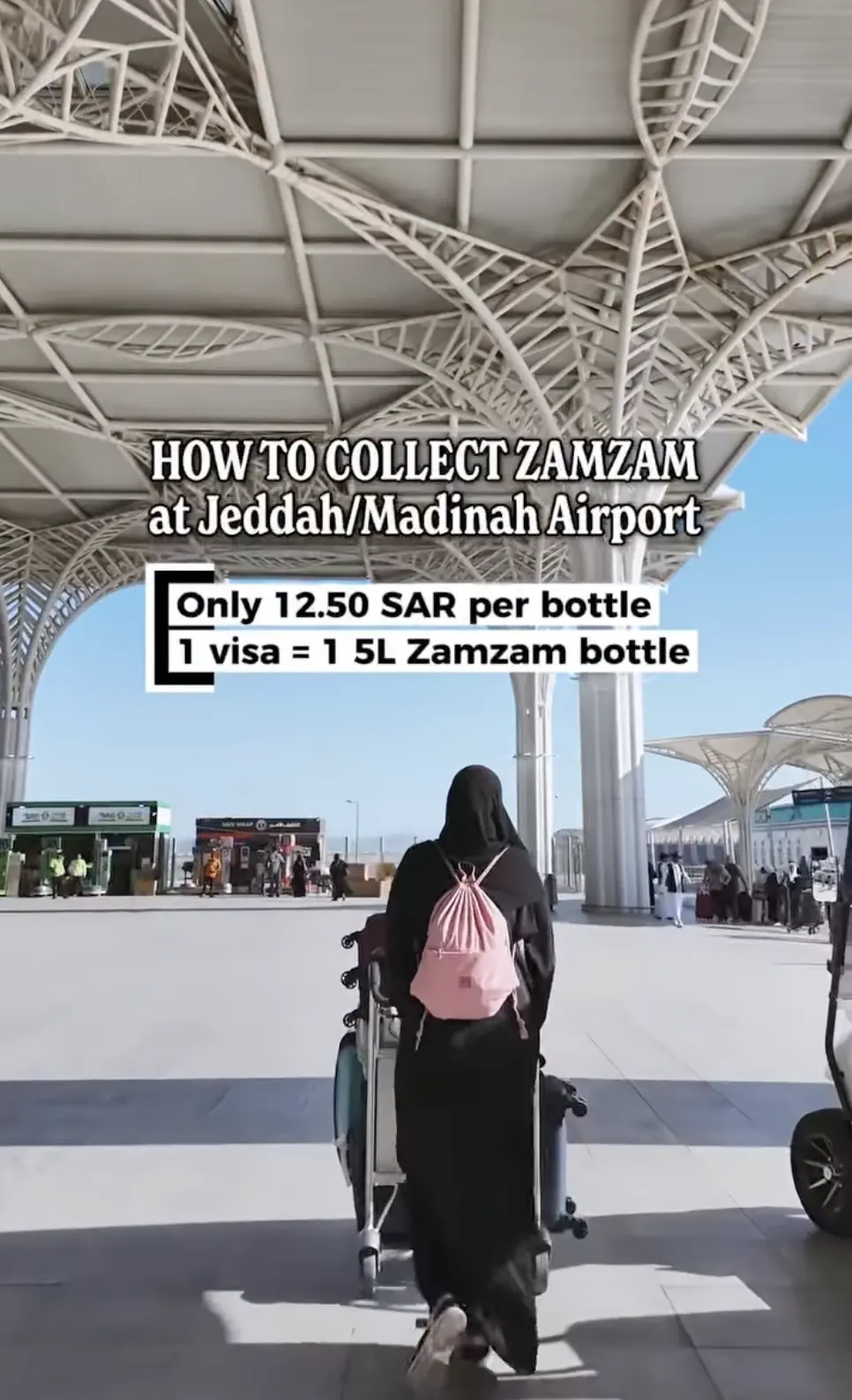
How to Bring Home Your 5L Zam Zam Water (Every Pilgrim Should Know This!) play
How to Bring Home Your 5L Zam Zam Water (Every Pilgrim Should Know This!)
scrollUp
Need help? Chat with us!