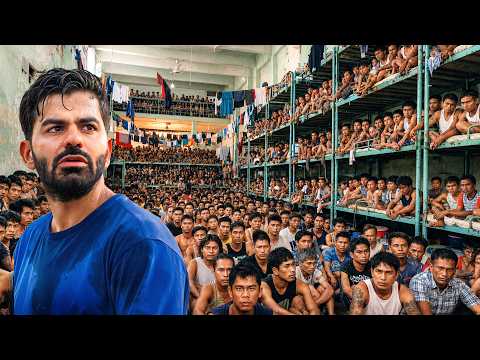
There are places you travel to for the postcard. And then there are places you visit to understand what life is really like—how people adapt when systems wobble, resources run thin, and the everyday rhythm is shaped by circumstances far beyond individual control. In Joe HaTTab’s documentary, Inside Cuba… Stuck in the 1950s (No Internet, No Fuel), Havana becomes more than a destination. It becomes a window into a lived reality in 2026.
What you experience here isn’t a storyline built for entertainment—it’s an account of fuel shortages, slow or limited connectivity, and daily power outages, described by locals as part of normal life. The video also places these conditions in context, outlining how decades of US–Cuba relations and trade restrictions have influenced what Cuba can import, run, and maintain.
Havana after dark: when the city goes quiet
One of the most striking moments in the film comes at night. The documentary describes a Havana where “you can’t see any lights except for car headlights” and where electricity can cut out suddenly, leaving neighbourhoods dark. Even where a few lights remain, the atmosphere is described as ghostly—streets feeling empty and activity reduced to essentials.
Power, we’re told, may return in the early hours and then disappear again. In other words: not an occasional outage, but a pattern. The result is visible everywhere—shops shut, city life slows, and even the simple act of getting through the evening becomes uncertain.
Fuel shortages: empty gas stations and long queues
Transportation is severely affected by the lack of fuel, and the documentary shows this in a way that’s hard to miss. Gas stations are described as largely empty, with two broad types mentioned: government-run stations and others where payment is tied to dollars.
The video also explains that for some services, people may need to use apps and wait for a turn—sometimes for months. In one example shared in the documentary, a person waiting for fuel has a place in a line numbering thousands, with a wait already stretching for months. The film contrasts the experience of those who must wait with others who find fuel more quickly but at much higher prices.
Horse-drawn transport returns
When cars can’t run, alternatives appear. The documentary highlights the presence of Coco Taxi and the increased use of horse-drawn carts—portrayed as low-cost daily transport for locals. It’s a reminder that “modern” infrastructure isn’t just infrastructure; it’s fuel, electricity and supply chains working together. When one part fails, the whole system changes.
The 1950s feel: closed squares, fewer cars, fewer tourists
Havana’s famous squares and landmarks are referenced through a personal sense of contrast: where the documentary describes convertible cars and visitors in the past, today there are fewer people and many spaces appear closed or dimmed by the lack of electricity and fuel. Even commercial spaces—such as a Peugeot dealer shown as empty—sit quietly, with vehicles not available for sale.
That “stuck” feeling doesn’t mean Cuba is frozen in time—it means daily conditions can prevent the normal flow of commerce and public life. The film captures how quickly a city’s energy disappears when basic inputs become unreliable.
Generators, ration books and the reality of buying basics
When the grid fails, households improvise. The documentary mentions some people using generators and explains that not everyone can afford them. You also see the effects of limited supplies inside shops and supermarkets.
Government provisions and ration cards
The video describes the ration book system distributed by the government, listing essentials such as rice, beans, sugar and oil and noting that allocations are recorded monthly. It’s presented as a way to cover basic needs, even if the situation in stores can still be difficult and items may be hard to find.
Two realities: state stores vs dollar markets
A recurring theme is separation by access. The documentary compares government shops—often described as nearly empty—with other markets where prices are tied to dollars and where availability can differ sharply. The film suggests that these “dollar stores” can serve upper-middle class and wealthier customers because not everyone has access to dollars.
In the same conversation, everyday items like shampoo and toilet paper are treated almost like commodities. The contrast isn’t just about prices—it’s about what’s available at all.
Universities, hospitals and the knock-on effects of fuel shortages
Fuel shortages don’t only affect cars and gas stations. The documentary also touches education and health services.
A student explains that a university is currently closed and that studying is taking place online, but the overall tone is one of frustration and uncertainty. Hospitals are also described as affected by shortages and outages, even though the country is noted for having many doctors.
The documentary further mentions issues connected to waste collection—fuel shortages contribute to the absence of garbage trucks, leading to people burning waste in the streets. Again, it’s a chain reaction: one missing resource influences many parts of daily life.
Water and daily logistics: planning around scarcity
The film describes water as arriving on intervals—every 15, 18 or 21 days—forcing households to store water in tanks. Cooking and washing become logistical problems, solved with planning, storage, and alternative preparation methods when electricity or gas is unavailable.
Food preparation without power or gas
In one segment, cooking is described as moving to earlier parts of the day when electricity can be available, while other households rely on wood when there is no electricity or gas. These details highlight how people reorganise routines around the hours when basic services function.
Internet limits: missing apps and slow connectivity
In 2026, the documentary states that access to certain services is not available in Cuba, with examples including App Store not being available in this region, and references to apps that may or may not work. The film also notes that some services such as ChatGPT do not work, while other apps can function.
The message is clear: even when technology exists, it may not be reliably accessible—so everyday life continues to rely more on offline systems, local knowledge, and tangible resources.
Why Cuba looks like this: context behind the headlines
The documentary provides historical background, linking Cuba’s modern challenges to broader geopolitical shifts. It references the changing relationship between the United States and Cuba—starting from Spanish rule, then US influence in the early 20th century, the 1959 revolution, and subsequent US responses including a long-running economic embargo.
It also mentions Cuba’s alignment with the Soviet Union for decades and the later effects of oil supplies and shifting support. In the documentary’s 2026 framing, these long-term dynamics contribute to the fuel and power constraints shown throughout Havana.
A trip built on respect: what to take from this Cuba
If you’re considering travel, this documentary doesn’t present Cuba as a fantasy adventure. It presents Cuba as a place where people are living through constraints—yet still negotiating community, work, study, transport and daily needs.
It’s also a reminder that travel can be about more than comfort and convenience. Watching the reality described here encourages a mindset of curiosity and humility—understanding that a destination’s “normal” may look different from home, and that resilience is part of the story as much as the sights.
Travel planning note
The documentary includes a local guide recommendation: Ismael (phone: +5354441928). If you want to explore Cuba with grounded local insight, connecting with a trusted guide can help you navigate real-world conditions responsibly.
Ready to experience Cuba—responsibly?
Cuba in 2026, as portrayed here, is not about predictability. It’s about adaptation: ration books, early cooking, power that comes and goes, empty gas stations, and neighbourhoods finding ways forward. If you’re drawn to meaningful travel—where you learn, observe, and connect—this is the kind of destination that stays with you.
Book with Sakina Tours for a curated approach that balances discovery with respect for local realities. Tell us your travel dates and interests, and we’ll help plan an experience designed to suit the way Cuba actually lives.