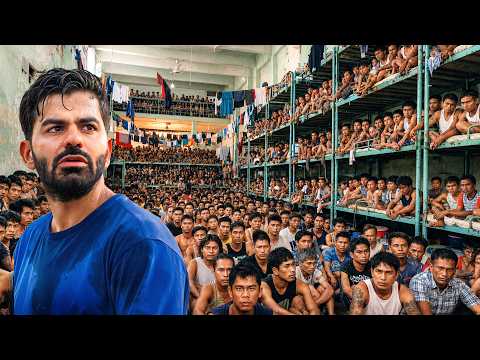
Mount Everest (8,849m) is the highest mountain on Earth—but as the video makes clear, reaching it is a far more complex story than simply “climbing higher”. In 7 days with the Sherpas, Joe HaTTab travels with the people who pave the way: the guides and carriers whose expertise, fitness, and discipline are central to almost every successful Everest attempt.
Throughout this journey across Nepal’s Khumbu region, you see how altitude changes everything—from cold mornings and equipment prep, to the acclimatisation routine that helps bodies adapt, to the mountain environment where oxygen becomes dramatically scarce. The film highlights the Sherpas’ role as the essential support behind summit dreams, and explores the “hidden life” around Everest Base Camp before the real challenge begins.
Why Everest is more than a summit
The video opens at Everest’s height—8,849m—and immediately reframes what “success” means. It underlines that the summit is only the visible endpoint of a much bigger operation. Behind each climber stands an experienced network of Sherpas who have lived, worked, and evolved in these mountains for generations.
As the transcript emphasises, the Sherpas are not a side story: “Without Sherpa, nobody can climb.” Everest climbing depends on their knowledge of the terrain, their endurance, and their ability to keep people safe as conditions shift rapidly.
Day 1: From Kathmandu to the route that tests you
The expedition begins with a travel build-up: “We started from the capital Kathmandu. We have to pass through several stages and cities.” The video describes a 7-day journey to reach the higher regions, including rest stops in towns so the body can gradually adapt.
Preparation isn’t optional. There’s a full equipment list and a practical mindset: cold conditions, long distances, and the need for gear suited to high altitude all come into play before trekking even starts.
Stopping in Lukla: the “gateway” with a famously short runway
To reach Everest routes, the video shows how climbers must pass through Lukla—described as “the most dangerous airport in the world” and “world-renowned”. The film notes the runway is very small and sits between mountains, created with constraints that have made Lukla an iconic part of the journey.
For travellers, Lukla is also where the “gateway to Everest” feeling becomes real. The surrounding villages and the logistics of getting moving set the tone for everything that follows.
Meet the Sherpas: strength, discipline, and altitude know-how
Throughout the video, Sherpa voices and stories bring the expedition to life. You hear about long-term climbing journeys and the kind of fitness that makes heavy carrying and altitude living “normal” for them.
One of the themes repeated is adaptation. Sherpas describe climbing as something built through discipline and mindset, not just raw strength. The video also notes that Sherpas have a different relationship with altitude—speaking about breathing capacity at elevation and the ability to operate effectively even as conditions turn harsh.
Day 2: Namche Bazaar and acclimatisation at 3,440m
On the second day, the group heads to Namche Bazaar, at 3,440m above sea level. The video describes staying there for two days so the body can adapt better to the altitude—an essential step before going higher.
Namche is introduced as both a cultural and commercial centre for the Sherpa people, and “the capital of the Sherpas”. You also see everyday mountain life: cafes, local brands, and a strong sense of community that contrasts with the danger of the higher climbs.
Understanding oxygen and the ‘death zone’ reality
The video specifically mentions Everest’s “Death Zone”, where oxygen can drop by up to 70%. It also remarks on oxygen levels even during earlier stages (for example, it references reduced oxygen percentages at Namche). The message is clear: as you go up, the air becomes thinner and the consequences become immediate.
This is why the video’s schedule matters. It’s not just about distance—it’s about time, acclimatisation, and a disciplined progression.
Guiding the mountain: ladders, ropes, and survival decisions
As the group moves from Namche towards the base camp direction, the film highlights how Sherpas and climbing teams shape the experience. The video explains that Sherpas help set up routes and infrastructure such as ladders and ropes, and that guide decisions directly affect whether climbers live.
In short: the mountain is not conquered by wishful thinking. It is navigated using expertise—especially where conditions become unpredictable and consequences are high.
Why people climb Everest (and why it still pulls the world)
Beyond the logistics, the video asks what drives people to attempt Everest. One Sherpa voice frames it as a way to connect: with the world, with achievement, and with something greater than everyday life. The mountains become an antidote to depression and disconnection, offering a path that feels both difficult and meaningful.
Everest, then, is not only about reaching the highest point. It’s also about the energy people seek when they want to challenge themselves and feel truly alive.
From Namche to the next challenge
The video closes this section of the journey with the shift from acclimatisation to action: leaving Namche Bazaar and starting the next phase with the Sherpas towards base camp. The real challenge, the transcript notes, begins after you’ve earned your altitude and respected the mountain’s pacing.
Book a premium Everest-area experience with Sakina Tours
If you’re inspired by the film’s emphasis on community, acclimatisation, and guided expertise, our team at Sakina Tours can help shape a respectful, well-paced itinerary in Nepal—built around safer progression and local knowledge.
Want to go? Contact Sakina Tours to discuss your travel dates and whether you’re aiming for Everest-region trekking experiences that reflect the rhythm shown in this 7-day journey.