How do people live when the world feels far away? In this travel-inspired feature from Joe HaTTab (Joe HaTTab), you’re taken to some of the most remote and isolated inhabited places on Earth, exploring how distance, geography and history influence everyday life.
The journey moves from the North Atlantic Faroe Islands to the otherworldly landscapes of Socotra, Yemen, and finally to Saint Helena, described as the most remote inhabited island—once likened to a natural prison.
Faroe Islands: “Sheep Islands” at the edge of Europe
Between Iceland and Norway, the Faroe Islands form a small archipelago of 18 islands and are described as cut off from the wider world. Home to about 50,000 people, the islands feel quiet and close to nature—yet the video shows that isolation hasn’t stopped innovation.
Tunnels, roundabouts and engineering beneath the ocean
One of the most striking stories is how the islands solved their connectivity challenges. The Faroe Islands built what’s described in the video as the world’s first undersea roundabout, with 25 tunnels in total: four under the sea and the rest carved through mountains. The video also notes that the first tunnel was built in the 1960s, and the longest stretches nearly 11 km.
As you watch, you can feel the uniqueness of these roads: they aren’t just routes, they’re landmarks shaped by water, rock and weather—built for communities of only around 50,000.
Viking heritage and a language that still matters
The video also highlights the cultural roots of the islands, including the idea that Faroe is connected to Viking history, with the local language Faroese derived from Old Norse. The islands’ identity is repeatedly framed as distinct—even while being part of Denmark.
You see local pride through everyday life and traditions, including traditional clothing worn for special occasions like National Day and weddings, alongside a sense of community where people often know one another well.
Life, livelihoods and the calm of a small population
Life in the Faroe Islands is shown as closely tied to the sea. The video states that more than 90% of income comes from fish, including the salmon industry. It also describes the proximity to the coast—suggesting that no place on the islands is more than 5 km from the ocean.
While the islands may feel remote, the video includes examples of connection: ships and an airline linking to Denmark and beyond, and a sense that although people are isolated, they’re not completely cut off.
Socotra, Yemen: a landscape that feels “not like Earth”
Next comes Socotra, Yemen, described as an island that hardly feels like Earth at all. Geologically, the video notes that Socotra separated from Africa and the Arabian Peninsula more than 6 million years ago, which helps explain the island’s reputation for exceptional biodiversity.
Rare plants and the iconic dragon’s blood tree
The video highlights that more than 37% of Socotra’s plants are extremely rare, growing nowhere else on Earth. Among these is the dragon’s blood tree, framed as a symbol of biological isolation—an isolation shaped not only by sea, but also by geography and politics.
Limited flights and camping as part of the experience
Because flights are said to be very limited—usually one flight per week, sometimes two—the trip feels inherently remote. The video describes plans to spend five days on the island, sleeping in different places and camping due to limited services.
From dune mornings with ocean views to nights by the sea, the island’s remoteness isn’t a backdrop—it’s part of the rhythm of travel.
The “Arabian Bermuda Triangle” and natural wonder over magic
The video refers to Socotra’s past reputation, including stories that it was called the “Arabian Bermuda Triangle” and the “island of the jinn”. However, it frames the explanation as natural forces: strong currents and violent whirlpools at the meeting of the Arabian Sea and the Indian Ocean.
Instead of magic, the video points to the real mystery—nature itself—with coastlines and rocky terrain that continue to challenge ships.
Socotri language and local plant stewardship
The video also shares glimpses of local culture, including the Socotri language, described as an ancient Semitic language independent from Arabic (and noted as not written, only spoken). It mentions local efforts to cultivate endangered plants, with a farm shown where rare species are grown to protect the island’s unique ecosystem.
Saint Helena: the most remote inhabited island, described as a natural prison
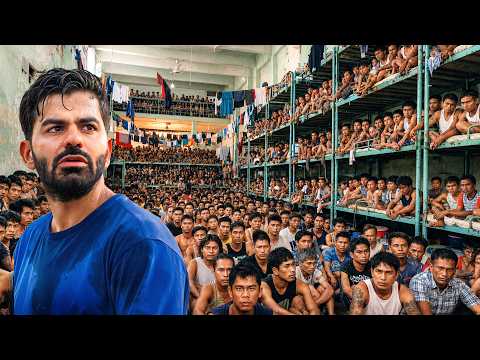
In the end, the video turns to Saint Helena, introduced as the most remote inhabited island in the world. Located in the middle of the Atlantic Ocean, it’s described as becoming a natural prison.
The framing is stark: no neighbouring countries, no roads leading to it, and no escape. The video references 500 years of isolation, setting the stage for a place shaped by separation and consequence.
Why these islands feel so far away—and so unforgettable
Across the Faroe Islands, Socotra and Saint Helena, the video’s core question—“How do people live so far from the world?”—feels answered in different ways:
- Faroe Islands: isolation tempered by engineering, community and livelihoods tied to the sea.
- Socotra: remoteness paired with extraordinary, rare nature and limited access that shapes how visitors experience the island.
- Saint Helena: extreme distance described as isolation on a historical scale.
Thinking of visiting remote destinations?
If you’re looking for travel that goes beyond standard routes, these islands offer a powerful theme: the closer you get to the edge of the map, the more you discover about people, culture and nature—often in unexpected combinations.
Credits noted in the video include: Faroe Escapes for logistics and guided touring; Socotra World Agency for Socotra travel support (WhatsApp number provided in the video); and local contributors and videography credit to Mohamed Ourty, alongside island organisers featured throughout the story.
Let this be your inspiration to plan your next adventure—carefully, respectfully, and with the sense that some of the world’s most memorable journeys start where connection becomes challenge.