

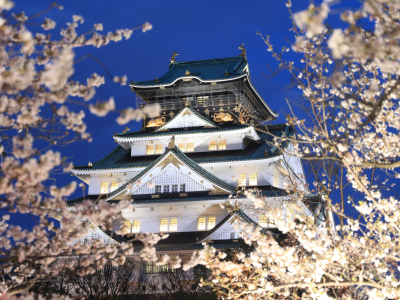
Osaka is often reduced to bright signs and fast queues, but its real luxury is found in the side lanes, neighborhood rituals, and craft streets that most visitors skip. Start with the Osaka Museum of Housing and Living, where reconstructed Edo-era streets, merchant homes, and urban details give you context before you step into modern Osaka. Then move toward Nakazakicho, a district of preserved low-rise lanes, vintage façades, tiny design studios, stationery corners, retro cafés, and intimate galleries. This opening gives something deeper than sightseeing: it gives historical framing and a softer city rhythm from the first hour.
From there, continue through Hozenji Yokocho, one of Osaka’s most atmospheric stone lanes, then explore nearby backstreets where lantern light, discreet entrances, and small counters shape a refined evening culture long before nighttime crowds arrive. Add Sennichimae Doguyasuji (kitchenware street) for Japanese culinary craftsmanship, knives, ceramics, lacquerware, chopsticks, and professional tools sold as living culture, not souvenir theater. For travelers who appreciate meaningful shopping, this is one of Osaka’s most underrated hidden gems.
For your third layer, enter Kuromon Market strategically: not just the center aisles, but the side corridors where family-run stalls, dried goods, tea vendors, seasonal produce counters, and old specialty shops preserve the market’s original character. Then pivot to quieter pockets near Shinsaibashi side lanes and America-mura backstreets, where vintage fashion, record shops, micro-boutiques, and independent espresso bars create an urban contrast to mainstream commercial strips. In this sequence, Osaka becomes a city of curated fragments, food craft, street design, and local identity stitched together.
For a fourth chapter, add water and skyline balance. Walk the Nakanoshima riverside, pause around the Osaka Central Public Hall exterior zone, and if the season allows, pass through Nakanoshima Rose Garden for a calm visual reset. Then include a stop at a classic kissaten (old-style coffee salon), where hand-drip coffee, preserved interiors, and neighborhood regulars reflect a slower Japan. Add a final detour into lesser-known arcades for incense, paper goods, hand towels, or tea accessories, and your day gains both elegance and cultural texture.
Close with a thoughtfully paced evening: one local counter meal away from queue-heavy hotspots, one second stop for Osaka comfort classics, and one quiet dessert or matcha finish. If energy remains, include a gentle after-dinner walk in Shinsekai side lanes (not the most crowded strips), then end near Tennoji Park’s calmer edges. Osaka’s hidden luxury is not exclusivity, it is precision: knowing where to turn, when to pause, and how to combine craft, flavor, design, and atmosphere into one seamless narrative.
Attractions & Experiences:
Nakazakicho retro lanes
Hozenji Yokocho atmospheric alley
Kuromon Market side corridors
Shinsaibashi secondary lanes
America-mura backstreets
Osaka Central Public Hall exterior district
Nakanoshima Rose Garden
Traditional kissaten coffee salon
Hidden arcades for paper/tea/incense goods
Local multi-stop Osaka dining sequence
Shinsekai quieter side lanes
Tennoji Park calm evening edges

